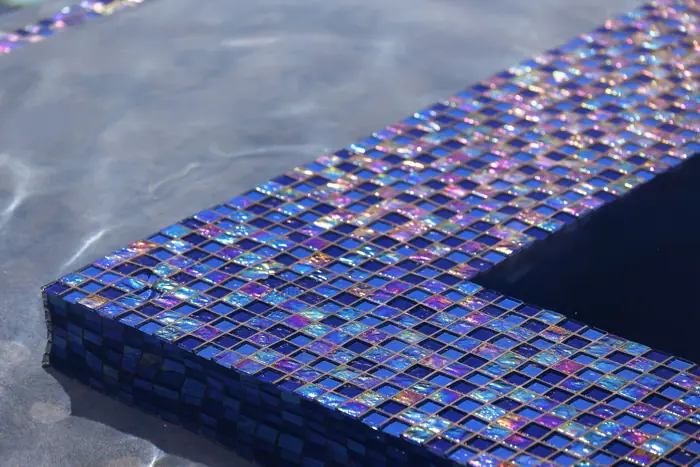
San Antonio and the Hill Country sit on mineral-rich, hard water. Over time that leaves chalky calcium deposits on tile, stone and brick — we remove it without damaging what's underneath.
Calcium buildup comes in more than one form, and the removal method depends on which kind you have.
We determine whether it's calcium carbonate or the harder calcium silicate.
Method matched to the deposit type, so it comes off without damaging tile or grout.
Calcium on coping, decking and water features cleared along with the tile.
We'll walk you through what helps slow buildup from coming back as fast.
Calcium shows up differently depending on the type — here's what to look for.
Submit the estimate form or call, and share a few photos of the buildup.
We determine whether it's calcium carbonate or calcium silicate.
We use the right method and tools for your specific tile and stone.
We show you the finished surfaces and talk through upkeep.
Hard water isn't going away, but heavy buildup doesn't have to keep coming back as fast as it does. We'll explain what's driving it and what helps.
As the sister company of South Texas Custom Pools, we see how hard water affects pools from construction through years of ownership, which shapes how we approach removal.
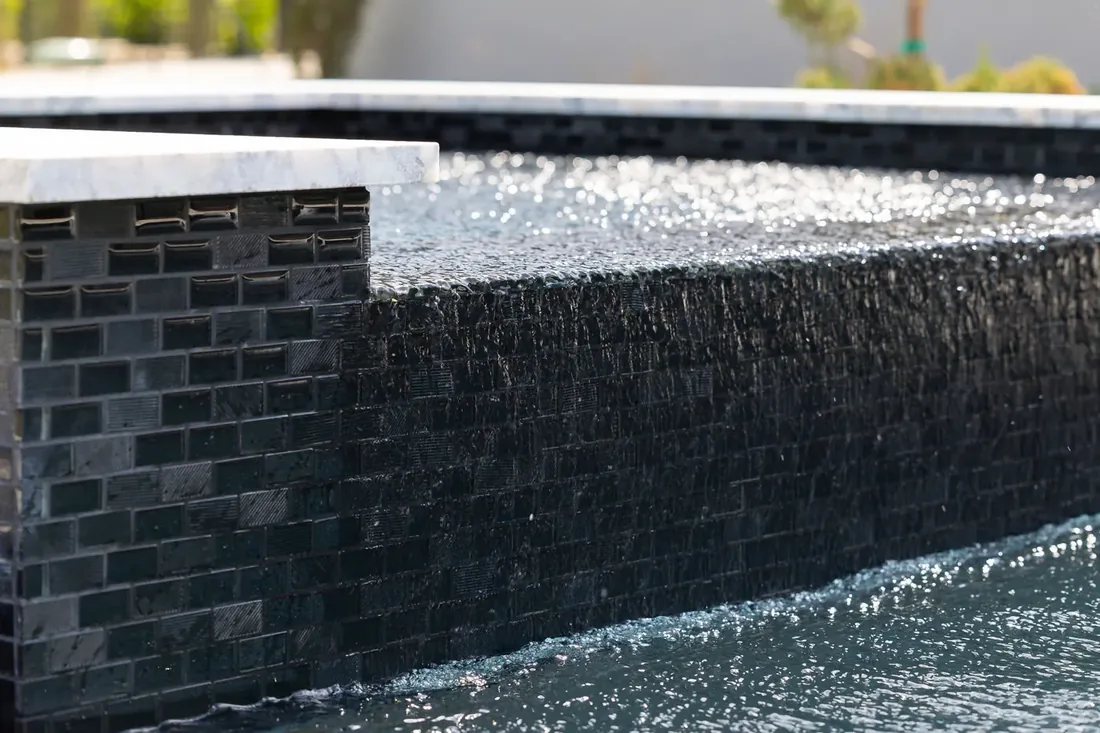
Drag either slider to see the hard-water buildup removed.
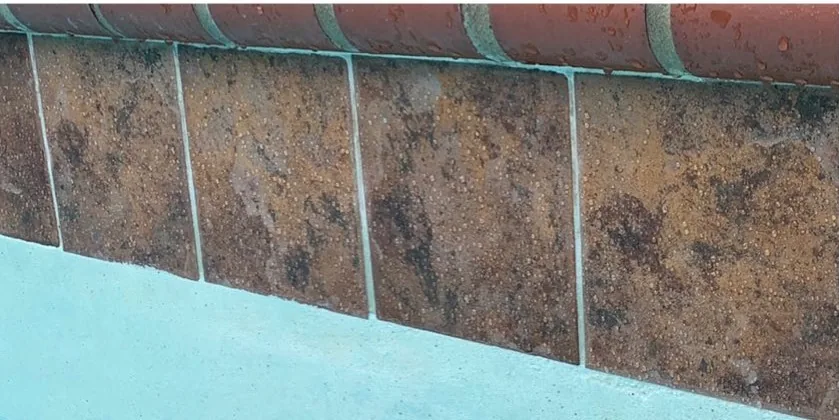
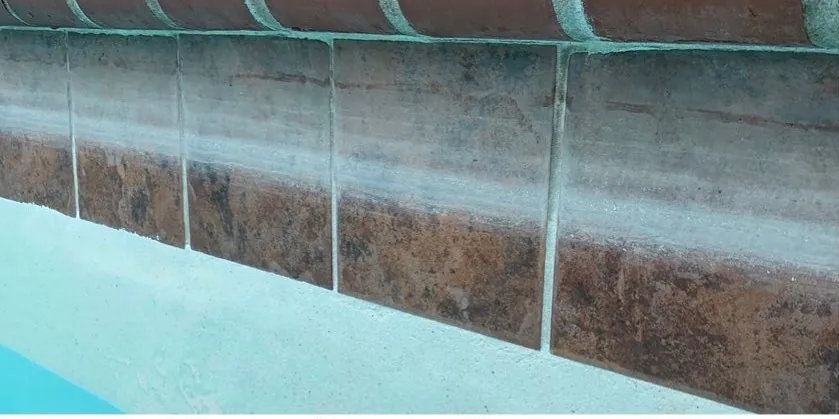
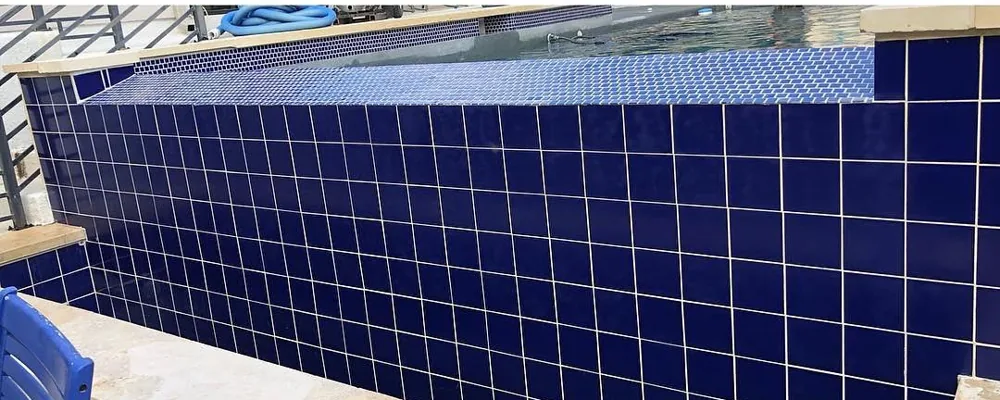
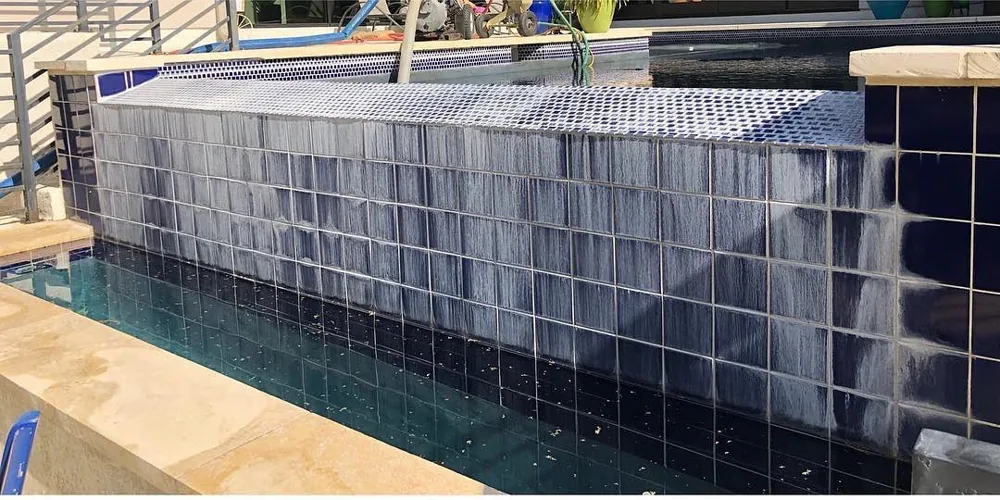
The region sits on limestone-rich ground, which makes for naturally hard water. As water evaporates from your pool, it leaves mineral deposits behind — the more mineral-rich the water, the faster buildup forms.
Light buildup can sometimes be managed with vinegar and a soft brush, but heavier or crystallized buildup usually needs specialized tools to remove without scratching the tile.
Not when the method matches the deposit type. Using the wrong approach on hard, crystallized calcium is what causes scratching — we identify the buildup type first specifically to avoid that.
It depends on your water balance and how the pool is maintained, but many homeowners in our hard-water area find they need professional attention every couple of years.
Yes. Heavy buildup on stone and equipment surfaces can also affect water flow and make surfaces feel rough, beyond just the cosmetic issue.
Tell us what's happening and our team will help you get ahead of hard-water buildup.
Tell us what is happening. We will follow up to schedule your free estimate.